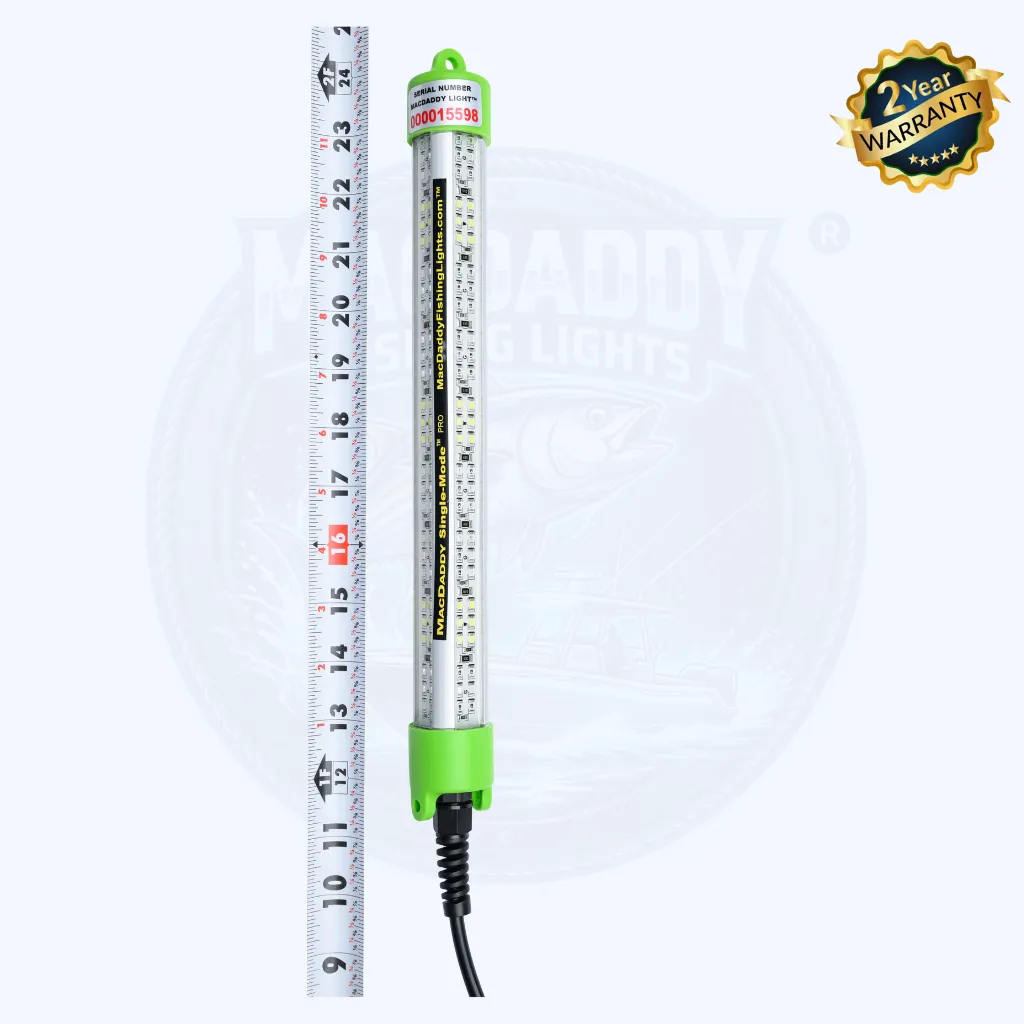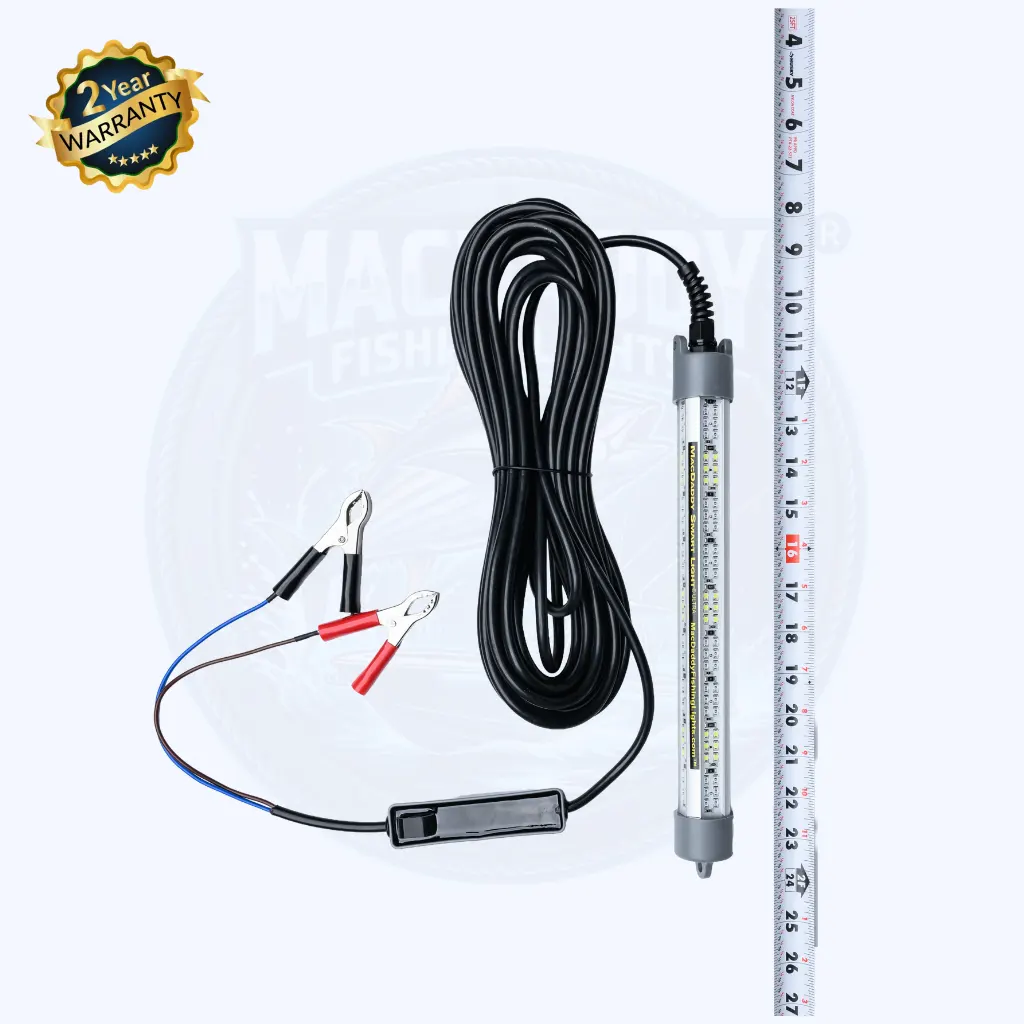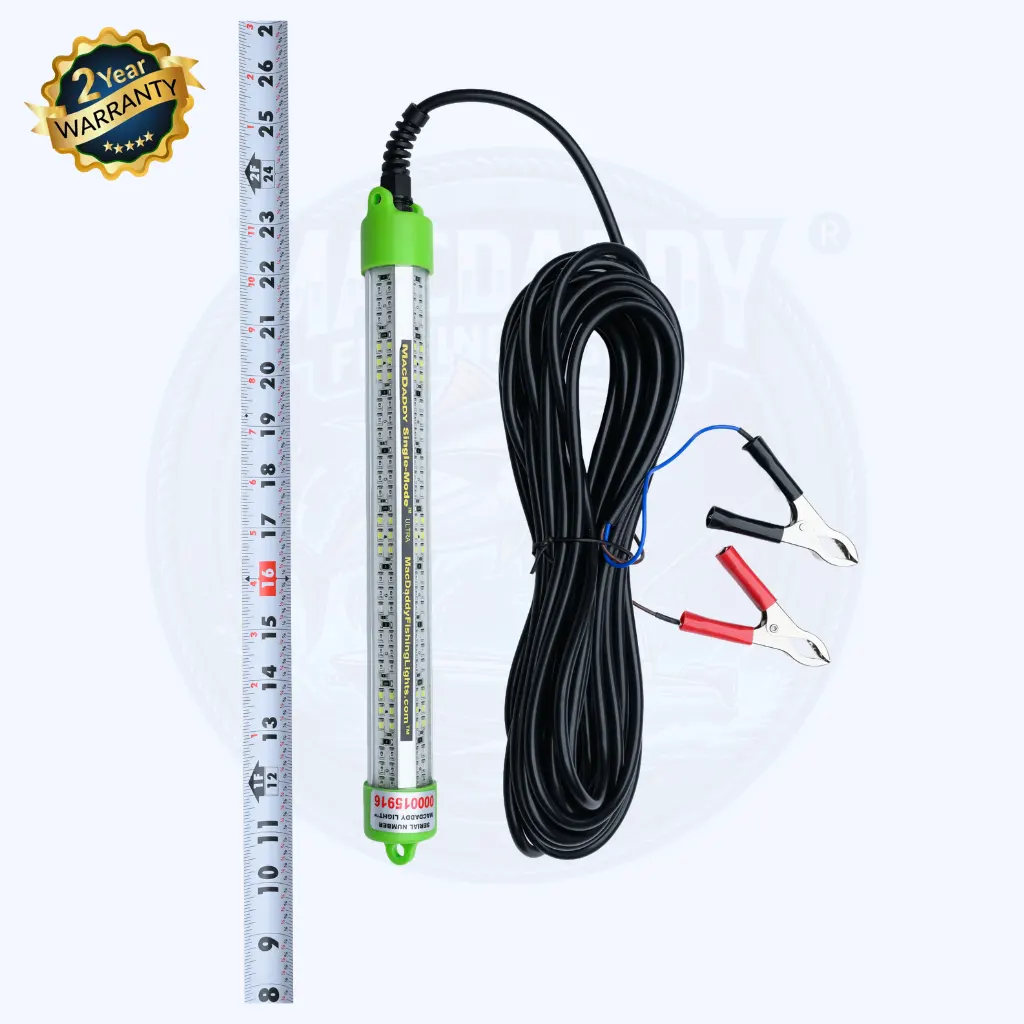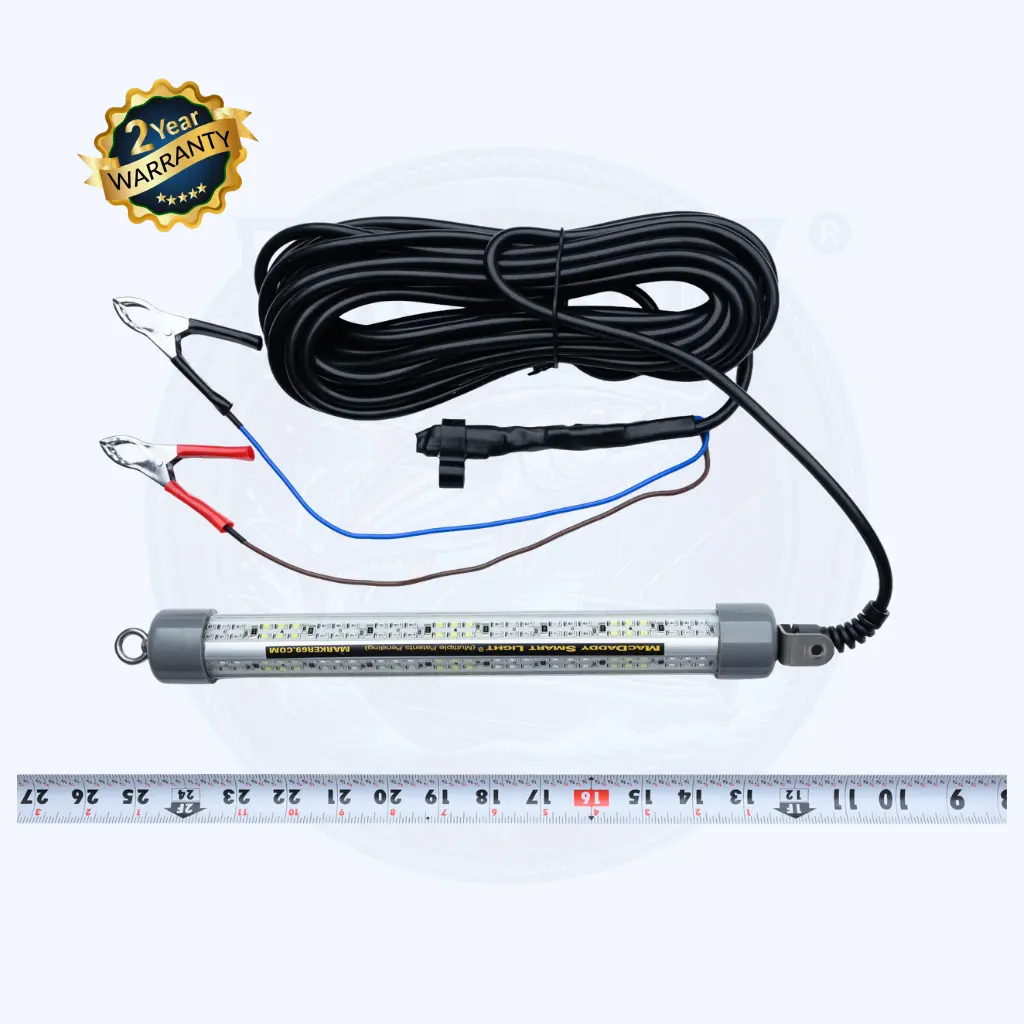


By: Capt. Lee Noga MacDaddyFishingLights.com – Explore the best spots for South Florida Shrimping.
If you have any intel to add/correct, contact me at [email protected]
For enthusiasts, South Florida Shrimping offers a unique blend of excitement and skill. Understanding the local environment is key to mastering South Florida Shrimping. Participating in South Florida Shrimping can create lasting memories with friends and family. The community surrounding South Florida Shrimping is vibrant and supportive.
Many anglers find that South Florida Shrimping is not just about catching shrimp, but also enjoying the beautiful scenery and wildlife. This was intel collected over 2 decades. Check in with local bait stores and verify the intel and whether the hotspots are still producing.
Understanding the dynamics of South Florida Shrimping can enhance your fishing experience.
Key Takeaways & Field Rules
- The Wind Dictates the Keys: Keys shrimping lives and dies by cold North and Northwest winds pushing water off the Everglades. South or Southeast winds will shut down the run.
- Moon Myths & Reality: The full moon is a Miami, St. Pete, and Southwest Florida phenomenon. In Biscayne Bay, Tampa Bay, and the coastal passes of Punta Gorda/Englewood, the full moon is crucial. In the Florida Keys, locals consider a full moon completely ineffective.
- Tidal Flow is King: Shrimping requires current. Target strong outgoing tides at night, when shrimp are swept seaward.
- Illumination Strategy: Shrimp eyes glow red under intense light. Specialized underwater green LEDs cut through murky or fast-moving water, creating an irresistible draw zone right next to your boat, shoreline, or bridge station.
- Harvest Limits (FWC Regulations): Recreational harvesters must possess a valid Florida Saltwater Fishing License. The standard recreational limit is 5 gallons (heads-on) per harvester per day, with a strict vessel limit of no more than 5 gallons per vessel at any time.

With the right techniques, South Florida Shrimping can lead to a bountiful catch and a rewarding experience.
Part I: The Florida Keys Archipelago
To ensure a successful outing, learn the best times and locations for South Florida Shrimping. Learning from local experts can greatly enhance your South Florida Shrimping skills. South Florida Shrimping is best experienced in a group, as it creates opportunities for camaraderie and shared knowledge.
The Keys act as an enormous filtration barrier between the shallow waters of Florida Bay and the Atlantic Ocean. Winter frontal systems force shrimp southward through defined channels, bridges, and hidden cuts.
Many resources can help you improve your South Florida shrimping skills. Language should not be a barrier; the MacDaddy Fishing Lights website/articles are in Spanish/english including the 2026 masterclass teaching seminar video on our site and YouTube @leenoga

ADAMS CUT (KEY LARGO)
1. Adams Cut (Key Largo)
As you become more familiar with South Florida Shrimping, you’ll develop your own unique strategies. Engaging in South Florida Shrimping is a fantastic way to connect with nature and unwind.
The thrill of South Florida Shrimping draws in both newcomers and seasoned anglers alike.
- Geography: Located at Mile Marker 103.6 in Key Largo, the man-made Marvin D. Adams Waterway (Adams Cut) is roughly half a mile long and serves as a famous bottleneck that cuts through the island, linking the Bay side directly to the Atlantic.
- Conditions: Widely recognized as one of the best and most popular places to go in the Upper Keys. It relies heavily on a strong Northwest wind to push massive volumes of water and migrating biomass through the cut. This channel is strictly tidal water, meaning current speed matches the shifting coastal tide.
Understanding the Importance of South Florida Shrimping Hotspots
Embrace the adventure of South Florida Shrimping, and you’ll find yourself immersed in an unforgettable experience.
Exploring the Best Techniques for South Florida Shrimping
South Florida Shrimping can also be a great way to bond with friends and family and create lasting memories. As you become more skilled at South Florida Shrimping, you’ll enjoy the thrill of the hunt even more.

Understanding the Art of South Florida Shrimping (Tavernier, Snake Creek, Mid Keys Marathon Area, etc.)
2. Tavernier Creek (Planter / Tavernier)
- Geography: Located at Mile Marker 91, Tavernier Creek is a primary Upper Keys thoroughfare and the geographic boundary between Key Largo and Plantation Key.
- Depth & Flow: The creek features a highly active tidal system. The surrounding flats sit around 8 feet deep, while the dredged interior boating channel drops to depths of 10 to 12 feet.
3. Snake Creek (Islamorada / Plantation Key)
Whether a novice or expert, everyone can appreciate the joy of South Florida Shrimping.
- Geography: Marking the division between Plantation Key and Windley Key near Mile Marker 86, Snake Creek features a deep channel reaching 16 feet with heavy tidal flow.
4. The Mid-Keys Bridges: Channel 2, Channel 5, & Long Key
- Geography: Spanning from Lower Matecumbe Key down past Long Key State Park (Mile Markers 65 to 73).
5. Marathon: Vaca Cut
- Geography: A carved, high-velocity artery directly connecting the Gulf of Mexico and Florida Bay to the Atlantic Ocean in the heart of Marathon.
6. The Atlantic Cuts: Boot Key & Cow Fins (Including Dunesbury)
- Geography: Located on the Atlantic-facing coastline around Marathon and Sister Creek, averaging 8 to 10 feet of water. This specialized sector contains local back-cut corridors including Dunesbury.
- Angler Intel: Dunesbury offers excellent structural protection from harsh winter elements. For ultimate stealth and hold in high winds, local shrimpers will tie their boats directly off in the mangroves along the cut margins to lock into the perfect dipping position.

Part II: The Miami & Biscayne Bay Arena
Miami shrimping contrasts sharply with the Keys: while Keys shrimpers ignore the moon, Miami shrimpers plan around winter full moons. All major targets here run through Miami-Dade County’s primary tidal escape routes
1. Biscayne Bay & Northern Outlets (Government Cut, MacArthur, Venetian, Watson Island)
- Geography: The vast lagoon sheltered by the Miami mainland and Miami Beach. The northern shrimp migration funnels out of the bay, past Watson Island, across the MacArthur and Venetian Causeways, and out of the deep shipping channel of Government Cut.
- Optimal Conditions: A hard North wind colliding with a Full Moon during high tide.
2. Key Biscayne Southern Outlets (36th Street / East Side & Bear Cut)
- Geography: The eastern coastal flats, tidal cuts, and the Bear Cut Bridge linking Virginia Key to Key Biscayne.
- Conditions: Highly tidal water. This area behaves differently than nearby bayside zones: it performs best on a West wind, but shuts down or gets ruined by a Southeast wind. Local peak action hits in spring, during March and April.
3. Rickenbacker Causeway & Bridges
- Geography: The primary bridge network crossing from mainland Miami over Virginia Key to Key Biscayne.
4. Haulover Inlet (North Miami)
- Geography: The deep Atlantic inlet separating Bal Harbor and Sunny Isles Beach, draining the northern end of Biscayne Bay.

Part III: The Southwest Mainland & Upper Gateways
1. The Everglades & Flamingo Outpost
- Geography: Deep within Everglades National Park at the southern terminus of the Florida peninsula.
- The Run Mechanics: When strong continental cold fronts push down, the “Everglades blowing North” forces millions of gallons of shallow interior water toward the coast, flushing massive brown and pink shrimp out.
2. Card Sound Bridge (Mainland to Key Largo)
- Geography: The high-rise toll bridge crossing Little Card Sound, connecting southern Miami-Dade County to North Key Largo.

Part IV: The Gulf Coast & Southwest Extension
1. St. Pete: Fort De Soto Park & The Skyway Flats
- Geography: Situated at the southwestern tip of the Pinellas peninsula in St. Pete. The favorite stretch starts right after the main park toll booth, giving access to hundreds of yards of shoreline along the bridge.
- The Wading Strategy: From this entry point, land-based shrimpers walk straight out onto the shallow flats on the Bayside of the bridge and wade systematically out until the water is just up to your knees, heading southeast toward the Sunshine Skyway Bridge.
- Season & Triggers: The signature St. Pete shrimping season officially starts in May and June. Peak action occurs when a massive Full Moon rises directly over the Sunshine Skyway Bridge, creating a strong outgoing night tide.
2. Southwest Florida: Punta Gorda & Englewood (Tom Adams Bridge)
- Geography: In the Punta Gorda / Englewood coastal region of Southwest Florida, the landmark Tom Adams Bridge carries Beach Road (CR 776) over Lemon Bay and the Gulf Intracoastal Waterway.
- The Run Mechanics: Like the Tampa Bay system further north, the shrimping fishery here centers on high-velocity tidal cuts. Dipping is highly effective both off the structural walkway and by sweeping the vast grass flats extending alongside Lemon Bay.
- Optimal Conditions: This Southwest Florida ground operates best on strong winter night cold fronts (January through March) and relies on a Full Moon cycle to accelerate tidal flow. Target a hard outgoing night tide as shrimp flush out of the interior bay heading toward nearby Stump Pass.
The Ghost Grounds: Florida’s Lost Shrimping History
Veterans of the run will fondly recall the legacy “Bayside” runs of 35 years ago, when the original low-level Rickenbacker Causeway and Key Biscayne bridges featured dedicated pedestrian catwalks dangling just feet above rushing tidal currents. While municipal updates and safety codes eventually eliminated those beloved under-bridge catwalks, the modern Rickenbacker spans still accommodate land-based netters from upper railings. Similarly, oceanfront structures further north like the historic Anglin’s Pier (Commercial Pier) in Lauderdale-by-the-Sea once served as premier oceanfront dipping perches before hurricane damage forced its closure. Florida shrimping has always evolved, but the core mechanics remain exactly the same.
Master Conditions Matrix
| Location | Primary Setup | Water Depth | Best Wind | Worst Wind | Moon Dependency | Peak Tide Stage | Peak Months |
|---|---|---|---|---|---|---|---|
| Biscayne Bay | Boat / Lights | 6–15 ft | North | South / West | Full Moon preferred | High tide / Early outgoing | Jan – March |
| Key Biscayne (36th St) | Shore / Boat | 4–8 ft | West | Southeast | Full / New | Outgoing | March & April (Spring) |
| Rickenbacker Causeway | Bridge / Shore | 10–25 ft | North / NW | West | Full Moon | Outgoing at night | Jan – March |
| Adams Cut (Key Largo) | Boat / Shore | 8–12 ft | Northwest | South / SE | Avoid Full Moon | Moving tidal night tide | Nov – February |
| Tavernier Creek | Boat (Anchored) | 8–12 ft | North / NW | South / SE | Avoid Full Moon | Moving tidal night tide | Nov – February |
| Snake Creek (Islamorada) | Boat (Anchored) | 16 ft | North / NW | South / SE | Moon neutral (Avoid Full) | Outgoing at night | Nov – February |
| Channels 2 & 5 / Long Key | Bridge / Boat | 10–20 ft | North / NW | South / SE | Avoid Full Moon | Outgoing at night | Nov – February |
| Vaca Cut (Marathon) | Boat (High Flow) | 12–18 ft | North / NW | South / SE | Avoid Full Moon | Outgoing at night | Nov – February |
| Boot Key & Cow Fins | Boat (Secret Cuts) | 8–10 ft | North / NW | South / SE | Avoid Full Moon | Outgoing at night | Nov – February |
| Flamingo / Everglades | Boat / Seawall | 4–12 ft | Hard North | South | New / Moon neutral | Outgoing drop | Dec – February |
| Tom Adams Bridge (Englewood) | Bridge / Shore / Flats | 4–20 ft | North / NW | South / SE | Full Moon preferred | Outgoing night tide | Jan – March |
| Fort De Soto (St. Pete) | Wade / Flats / Boat | 2–10 ft (Knee-deep) | North / NE | West | Full Moon (Rising over Skyway) | Outgoing night tide | May & June (Starts) |
Mastering the Setup: Expert Resources
Before heading out into the cold night air or wading under a summer moon, proper preparation is vital. For a masterclass on optimizing light placement, anchoring techniques, and net configurations, dive into the extensive library of Spanish-language training tutorials on YouTube from the Capt Lee Noga channel.
To buy commercial-grade submersible light systems built to withstand harsh Florida tidal flows, browse the equipment catalog or switch to the store’s native Spanish version at macdaddyfishinglights.com.
Important Resources:
Join a 26k+ member Facebook forum of people who have mastered shrimping in Central Florida. Best place to ask MacDaddy Fishing Lights questions; they have been our focus group since 2015. Members post their reports and share images of the hunt. Click -> Florida Shrimping Academy With Capt. Lee Noga
Visit Capt. Lee Noga on her YouTube channel (@leenoga)– Click Here
Other Important Links:
Exploring the waters of South Florida Shrimping can lead to unexpected surprises.
As you venture into South Florida Shrimping, you’ll become part of a rich tradition.
- The Science-Backed Difference: Developed by award-winning Pro Angler Capt. Lee Noga, these premium lighting tools utilize stealth backlighting principles protected by 9 U.S. utility and design patents. Unlike cheap “lamp on a string” retail toys that over-illuminate and spook targets, MacDaddy systems let anglers consistently manipulate target depth and catch light-sensitive nocturnal species.
- Technical Support & Community: For product setups, custom wiring guides, and troubleshooting steps (such as checking magnetic button pins or battery alignment), access the official MacDaddy Technical Support Desk.
- Join the Academy: Connect with over 27,000 active night anglers (MacDaddy focus research group), share catch reports, and master regional tidal math by visiting the Florida Shrimping Academy Facebook Group.
- Masterclass Video Education: Scan and view over twenty years of field research and step-by-step assembly guides directly on the MacDaddy YouTube Training Portal.
- Manufacturing Disclaimer: Products evolve continuously over time based on live field telemetry. Finished items may vary slightly from early website or catalog image assets.
- Environmental & Sourcing Notice: Engineered proudly in the USA; assembled utilizing global components. Please remember to recycle responsibly and support green coastal ecosystem guidelines.
Ultimate Guide to Shrimping Central Florida Mosquito Lagoon
Brevard County Shrimping Intel Guide: Haulover Canal Titusville Pier & Railroad Bridge Playbook
The Ultimate Underwater Fishing Lights Buyer’s Guide: Green Blob vs. Hydro Glow vs. MacDaddy
MacDaddy Fishing Lights; Elevates Night Fishing Using Technology & Science-Proven Techniques With Educational Program
Watch: Capt Lee Noga’s 2026 Shrimping MasterClass
Everything in this guide — locations, tides, lighting science and netting strategy — comes together in Capt Lee Noga’s full 2026 Shrimping MasterClass. Watch it before the season opener:
Ready to rig up? See the MacDaddy Smart Light ULTRA and the rest of the MacDaddy shrimp lights — you’ll want at least two lights to herd the shrimp to your net. Más videos, including the full MasterClass en Español, on the training videos page.