


By: Capt. Lee Noga, Founder, MacDaddy Fishing Lights
Understanding Florida shrimping season is the foundation of consistent success. The state hosts three primary recreational shrimp species brown, white, and pink each with its own peak season, habitat preference, and behavior pattern. Knowing when Florida shrimping season is for each species, and combining that with the right light setup and tidal timing, is what separates anglers who limit out from those who come home empty.
Florida Shrimp Species: Know What You’re Targeting
Brown Shrimp (Farfantepenaeus aztecus)
Brown shrimp are Florida’s summer species. Their peak season runs May through August in Central and Northeast Florida’s estuarine systems: the Indian River Lagoon, Mosquito Lagoon, the Matanzas River, and the St. Johns River. Brown shrimp are the most light-responsive of the three species and respond powerfully to a well-deployed submersible green light on an outgoing tide.
Brown shrimp grow fast in warm summer water and reach harvestable size (count 40–60 per pound) by late June. By August, many move to nearshore open water, and the recreational catch declines. The sweet spot is June through mid-July.
White Shrimp (Litopenaeus setiferus)
White shrimp are Florida’s fall and winter species. Peak season in Northeast and Central Florida runs September through December, with the strongest runs typically occurring in October and November. White shrimp are larger than brown shrimp and can reach counts of 21–25 per pound in a good season. They prefer slightly deeper water and are less surface-active than brown shrimp, but still respond well to submersible light deployment.
The Volusia County ICW, the St. Johns River, and the Halifax River system are consistently productive white shrimp locations through the fall season.

Pink Shrimp (Farfantepenaeus duorarum)
Pink shrimp are found primarily in South Florida and the Keys, with a season that peaks October through May. They inhabit the open sandy bottoms of Florida Bay and nearshore Gulf waters and are rarely the primary target for recreational light shrimpers in Central Florida. If you’re in Southwest Florida or the Keys, October through February is your best window.
Florida Shrimping Season Calendar: Month by Month
Here is a practical overview of what to expect across Florida’s recreational shrimping calendar:
- January – February: White shrimp season winds down in NE Florida. Pink shrimp peak in South FL/Keys. Slower period for Central FL shrimpers.
- March – April: Transition period. Late pink shrimp in South FL. Pre-season brown shrimp begin appearing in estuary nursery areas.
- May – June: Brown shrimp season opens in Central and NE Florida. Light shrimping begins on outgoing tides as water warms above 70 degrees.
- July – August: Peak brown shrimp season. Largest concentrations in Indian River Lagoon and Mosquito Lagoon. Best nights: new moon, outgoing tide.
- September – October: Brown shrimp season closes; white shrimp season opens. St. Johns River and Volusia ICW begin producing large white shrimp.
- November – December: Peak white shrimp season in NE and Central Florida. Largest shrimp of the year. The best month is typically November.
How Tides Control the Florida Shrimping Season
Within each species’ peak season, the single most important daily variable is the tide. Florida recreational shrimping is a tidal sport. Shrimp ride the outgoing tide from shallow estuarine nursery areas into the deeper ICW and open water at night. Anglers intercept them at transition points: tidal cuts, creek mouths, bridge pilings, and channel edges where the current funnels shrimp past the light.
Plan every shrimping trip around the tide chart for your specific waterway. The productive window is the first two to three hours of the outgoing tide after dark. Deploy your shrimping lights 30–45 minutes before the outgoing tide begins so the food chain cycle is already established when the shrimp start running.
- Best window: First 2 hours of outgoing tide after dark
- Secondary window: Dead low tide through the first hour of incoming (fall season only)
- Best moon phase: New moon; darker nights produce better surface shrimping
- Worst conditions: Full moon, slack tide, heavy rain (freshwater influx suppresses activity)
How to Prepare for Florida Shrimping Season
Check Your Gear Before the Season Opens
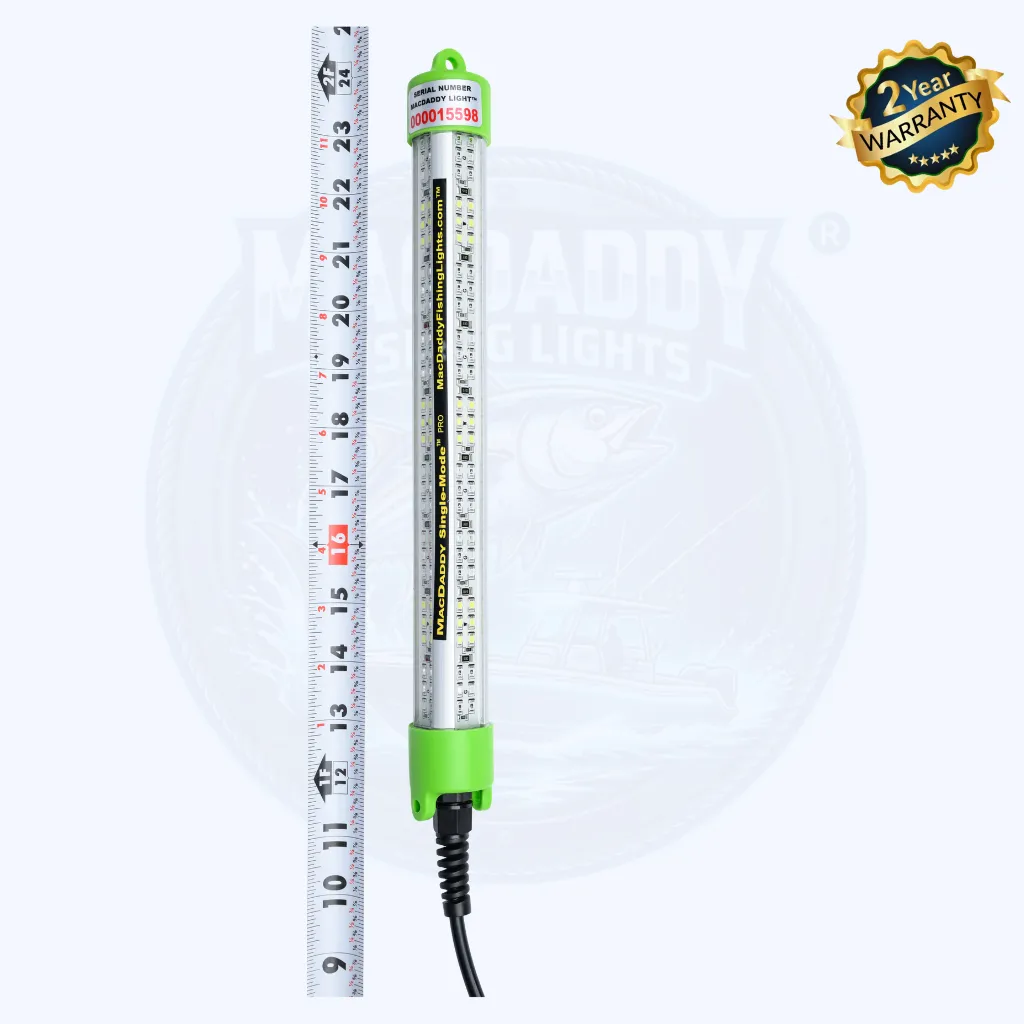
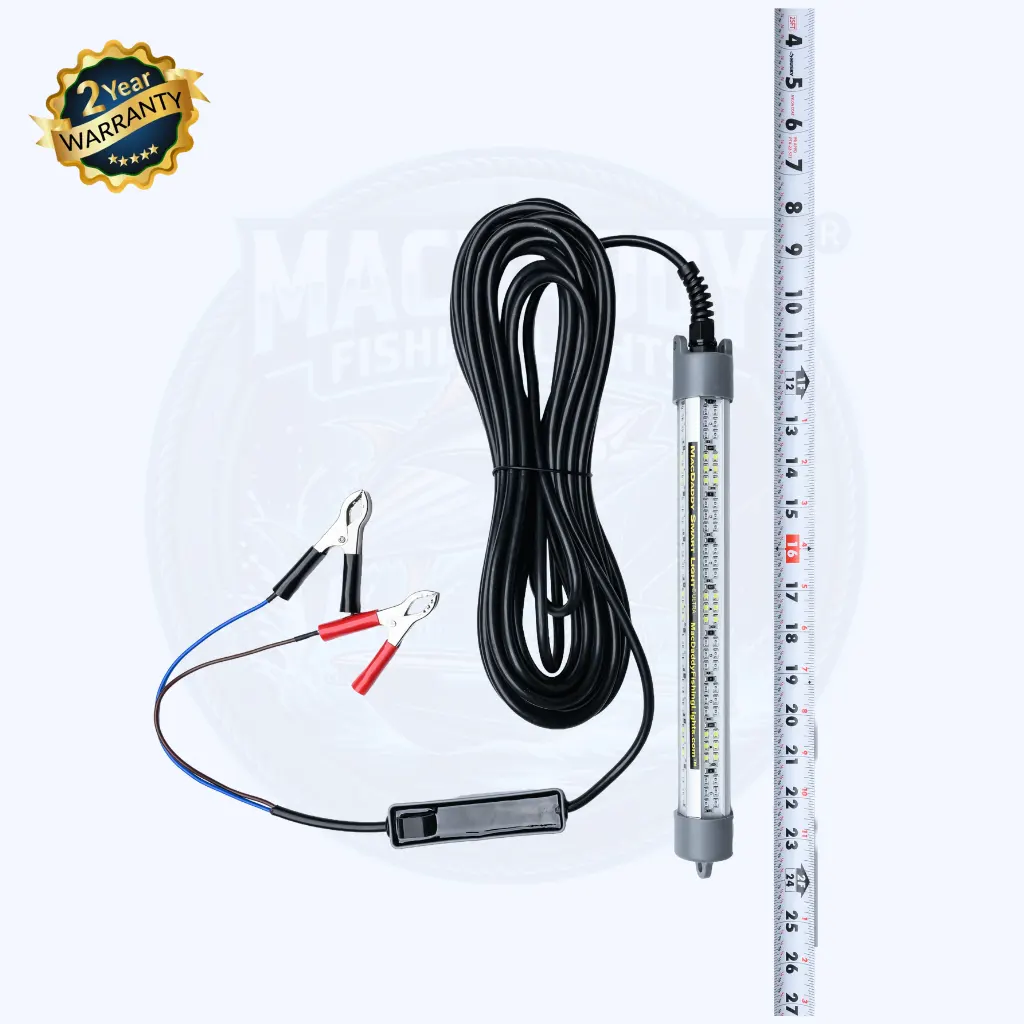
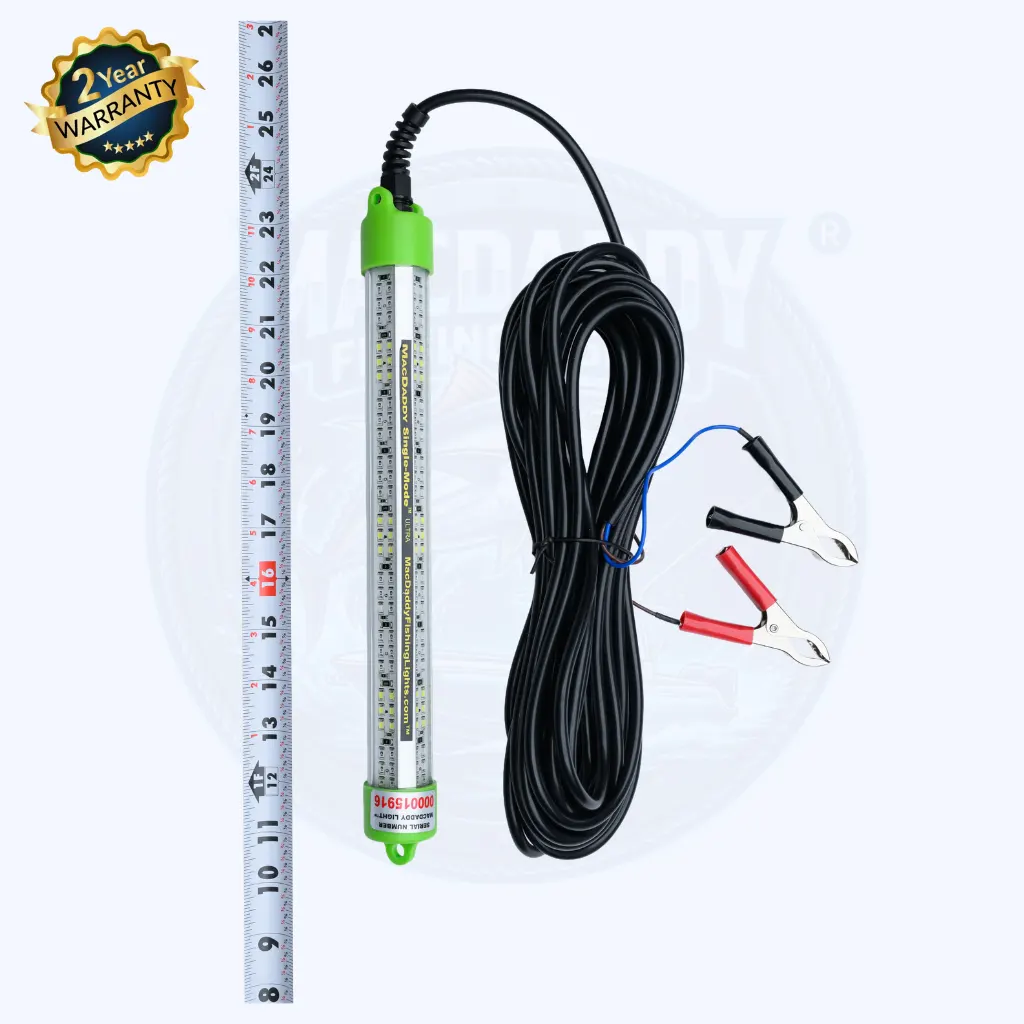
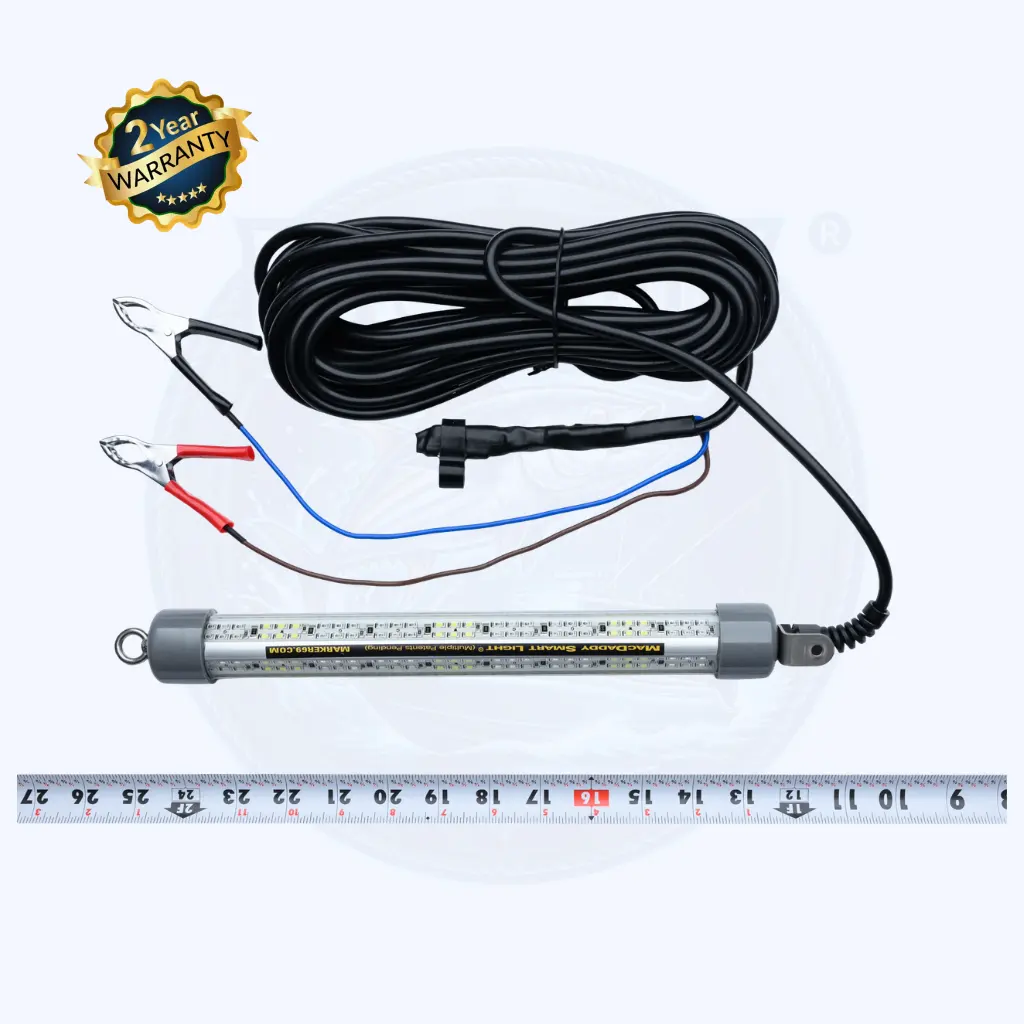
Florida’s summer heat and saltwater exposure take a toll on equipment. Before the brown shrimp season opens in May, inspect your shrimping light for corrosion, cracked end caps, and frayed power cords. Test the light on a 12V battery before taking it to the water. Replace any worn cable ties or anchor hardware. Check your dip net for mesh tears; even small holes cost dozens of shrimp per outing.
Calibrate Your Light Setup for the Season
Central Florida winter Brown shrimp season (summer) responds to the MacDaddy fishing light science-based deployments. The MacDaddy Fishing Lights depth-setting formula paces your light to the perfect depth.
For more information, use the link to the MacDaddy Fishing Lights® teaching manual (.PDF) to access it on the boat.
View/Download the MacDaddy Fishing Light Deployment Manual -[Click}
Update Your Tide Charts
MacDaddy Fishing Lights® publishes monthly tide charts for North and South Volusia County on the website. Check the current month’s chart before every trip. Tide times shift daily, and the difference between an excellent night and a slow one can be as little as 30 minutes.
Renew Your Florida Saltwater Fishing License
A valid Florida saltwater fishing license is required for all recreational shrimping. You can purchase licenses online through the FWC website or at any licensed retailer. Annual licenses run June 1 through June 30 of the following year. If you’re going out in May for the start of brown shrimp season, make sure your license is current.
Best Locations by Season in Central Florida
Brown Shrimp Season (Nov – May)
- Mosquito Lagoon — consistently the top producer for summer brown shrimp
- Indian River Lagoon (Brevard / Indian River County) — excellent bait abundance
- Ponce Inlet — strong outgoing tidal current, productive on falling tide nights
- New Smyrna Beach tidal creeks — accessible by kayak or small boat
White Shrimp Season (September – December to April)- Mosquito Lagoon/Titusville)
- White shrimp are now mixed into Central Florida’s winter nighttime run
- Winter run is from Edgewater to Oakhill to Lopez RV park in the intracoastal
- Volusia County ICW MacDaddy’s home waterway; consistently productive through November
- Halifax River: excellent fall white shrimp runs along the Daytona Beach area
- St. Johns River (Astor / Welaka area): freshwater-influenced white shrimp runs in October and November
- Matanzas River / St. Augustine strong tidal flow produces excellent fall shrimping
Florida Shrimping Season Regulations
The Florida Fish and Wildlife Conservation Commission (FWC) manages recreational shrimping regulations in Florida. Key rules that apply statewide:
- Bag limit: 5 gallons of whole shrimp per vessel per day
- Dip net: maximum 96-inch perimeter
- Cast net: maximum 14-foot stretched length
- License: valid Florida saltwater fishing license required, age 16 and over
- Night trawling restrictions apply in Atlantic-coast counties (June–August exception exists)
- Always verify current local regulations at myfwc.com before each trip
Make the Most of Florida Shrimping Season
Florida shrimping season rewards preparation and strategy. Know which species is running, target the outgoing tide after dark, deploy your submersible shrimping light at the right depth with an anchor, and give the food chain 30–45 minutes to establish before you start netting. Do all of that, and you will fill your bucket consistently, whether it is July brown shrimp season or November white shrimp season.
Other Links:
→ Shop MacDaddy Shrimping Lights
→ View Monthly Tide Charts for Volusia County
→ Download the Free Light Strategies Manual
→ Read: How to Catch Shrimp at Night in Florida
MacDaddy Fishing Lights Training Manual VIEW/Download:
Other Blog Articles:
Ultimate Guide to Shrimping Central Florida Mosquito Lagoon
Brevard County Shrimping Intel Guide: Haulover Canal & Titusville Pier Railroad Bridge Playbook
The Ultimate Underwater Fishing Lights Buyer’s Guide: Green Blob vs. Hydro Glow vs. MacDaddy
PATENTS Awarded: MacDaddy Fishing Lights® is protected by U.S. Utility Patent 11,147,263 and 7 U.S. design patents (1 pending). Innovated by Capt. Lee Noga.
Important Links:
- The Science-Backed Difference: Developed by award-winning Pro Angler Capt. Lee Noga, these premium lighting tools utilize stealth backlighting principles protected by U.S. utility and design patents. Unlike cheap “lamp on a string” retail toys that over-illuminate and spook targets, MacDaddy systems let anglers consistently manipulate target depth and catch light-sensitive nocturnal species.
- Technical Support & Community: For product setups, custom wiring guides, and troubleshooting steps (such as checking magnetic button pins or battery alignment), access the official MacDaddy Technical Support Desk.
- Join the Academy: Connect with over 27,000 active night anglers (MacDaddy focus research group), share catch reports, and master regional tidal math by visiting the Florida Shrimping Academy Facebook Group.
- Masterclass Video Education: Scan and view over twenty years of field research and step-by-step assembly guides directly on the MacDaddy YouTube Training Portal.
- Manufacturing Disclaimer: Products evolve continuously over time based on live field telemetry. Finished items may vary slightly from early website or catalog image assets.
- Environmental & Sourcing Notice: Engineered proudly in the USA; assembled utilizing global components. Please remember to recycle responsibly and support green coastal ecosystem guidelines.