


By Capt. Lee Noga, Founder, MacDaddy Fishing Lights
This checklist was developed from Capt. Lee Noga’s 15+ years of field shrimping experience in Florida’s tidal waterways and the collective knowledge of 27,000+ anglers in the MacDaddy Fishing Lights® Florida Shrimping Academy community. Use it every time you head out, and you will never arrive at the water missing something critical again.
The Non-Negotiables: Gear You Cannot Shrimp Without

1. Submersible Shrimping Light
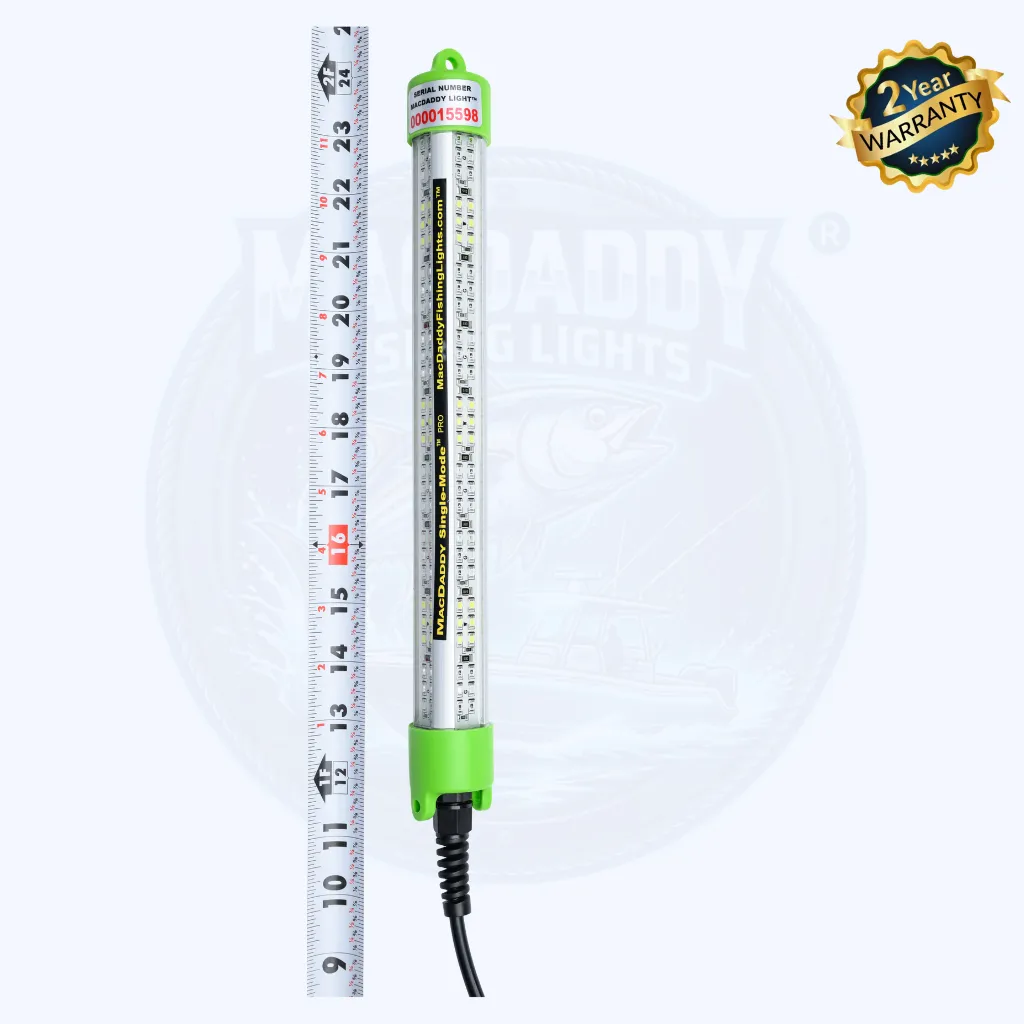
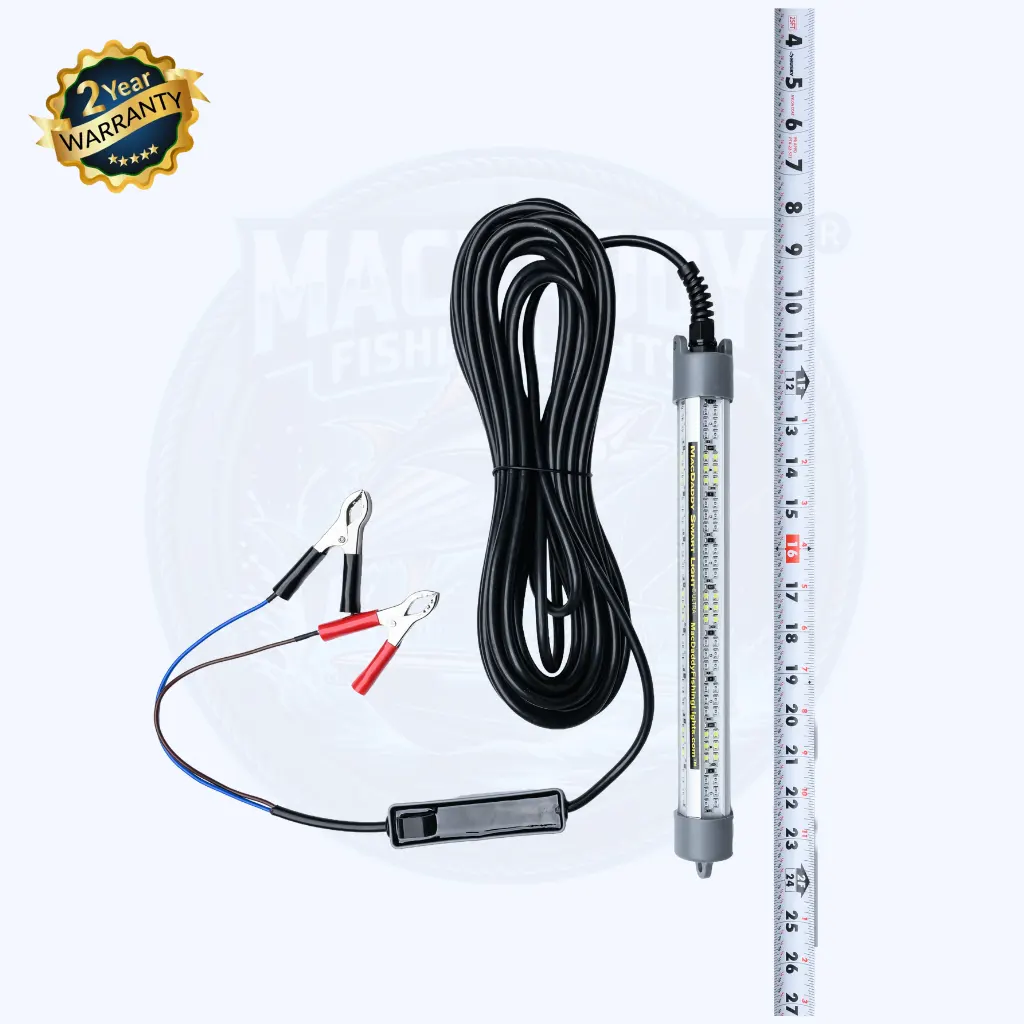
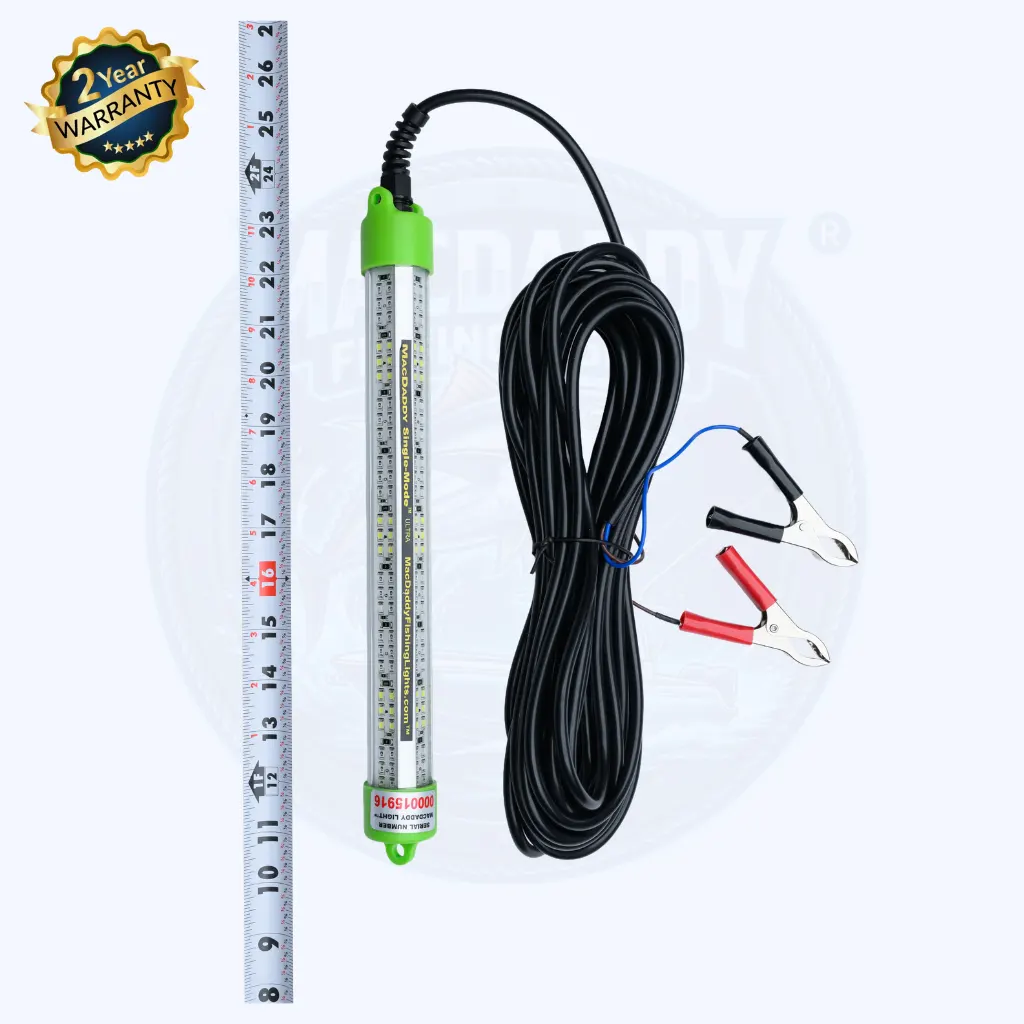
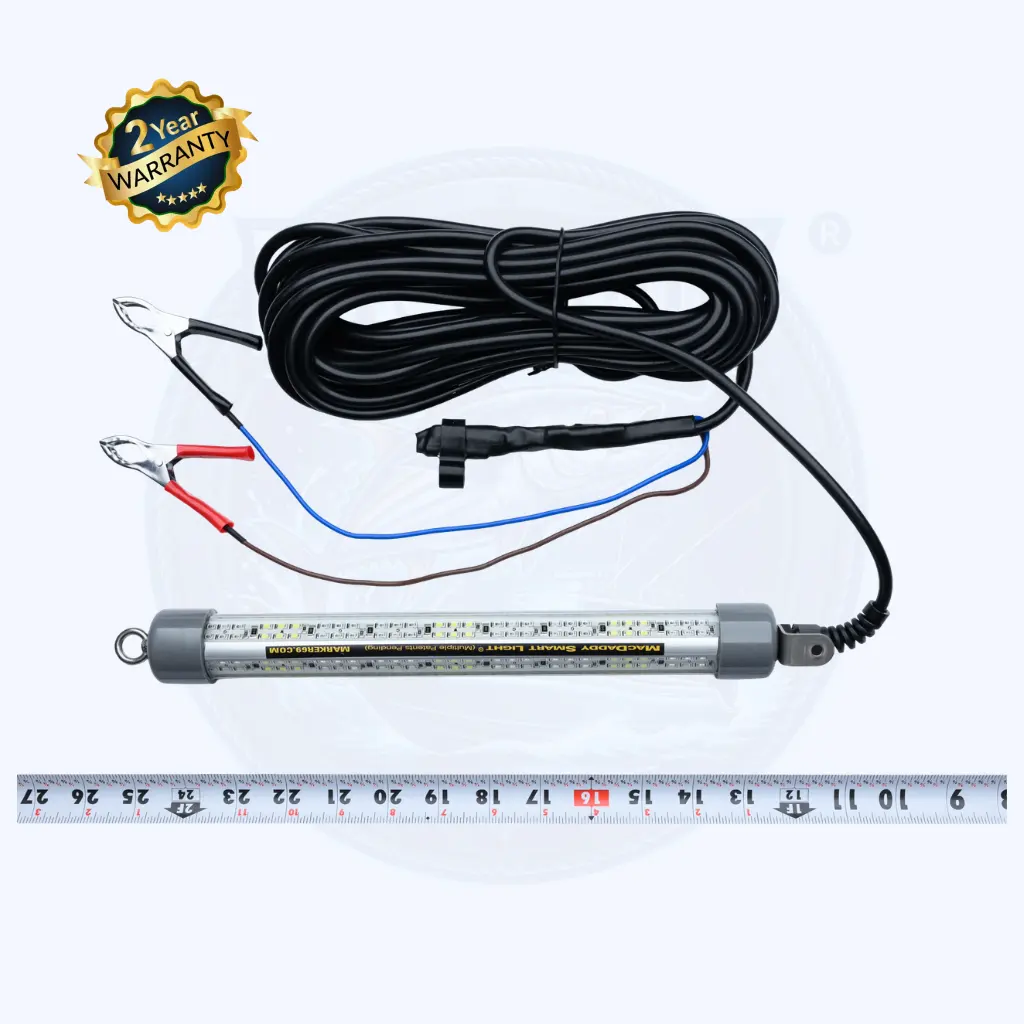
A quality submersible shrimping light is the foundation of every productive night shrimping operation. For Florida tidal shrimping, your light must: hang vertically in the water column, have an anchor attachment point for use in tidal current, provide depth control through a flotation system, and output 1,800–6,000 lumens in green or dual-mode LED.
MacDaddy Fishing Lights® offers two series: the Single Mode Light™ (PRO at $99, ULTRA at $154) for straightforward, reliable performance, and the Smart Light® (PRO at $129, ULTRA at $219) for multi-mode operation, including the patented frequency strobe for bait blackout recovery. Both include the patented flotation and anchoring system, metal frame construction, and Capt. Lee Noga’s educational deployment booklet.

- MacDaddy Single Mode Light™ PRO or ULTRA reliable single-mode submersible shrimping light
- MacDaddy Smart Light® PRO or ULTRA 8-mode with patented strobe for bait blackout recovery
- Ensure the light is tested on battery before leaving the house
- Check for cracked end caps or frayed cord before every trip
2. 12V Marine or Tractor Battery
Your shrimping light runs on a 12V battery. Underpowered batteries make your light dim exactly when you need it most—during peak shrimping hours. Choose the right battery for your setup:
- Single light, under 6,000 lumens: 675 CCA (crank-amp) tractor or marine battery minimum
- Two lights or MacDaddy ULTRA Series: 1,000 CCA automotive or deep-cycle marine battery
- Always use a fully charged battery at the start of every trip • Keep battery terminals clean and free of corrosion; saltwater accelerates terminal failure
- Battery box or bracket recommended to prevent the battery sliding on a wet deck
3. Battery Cables and Clips
Alligator-clip battery cables come standard with MacDaddy shrimping lights. Inspect them before every trip. Look for frayed insulation, corroded clips, and loose connections. A failed battery clip is a trip-ending problem with no on-water fix. Carry a spare set of clips in your tackle bag.
4. Dip Net
A dip net with 3/8-inch mesh is the standard tool for Florida night shrimping from a dock or boat. Florida FWC regulations specify a maximum perimeter of 96 inches (8 feet). Longer handles, 8 to 10 feet, give you better reach and are strongly preferred over shorter handles for boat shrimping.
- Dip net: 3/8-inch mesh, or a custom-made net using 1/2″ mesh, 30-inch perimeter hoop
- Handle length: 8–10 feet recommended for boat shrimping; Capt. Lee is short and cuts it down to 6 feet.
- Inspect mesh for tears before every trip; repair with 4-inch cable ties
- Carry 10–15 spare cable ties for on-water mesh netting repairs
5. Anchor Weight for the Light

In tidal water, an unanchored light drifts and disperses your shrimp aggregation. A 7–8 lb anchor weight attached to the base of your MacDaddy shrimping light keeps it fixed regardless of tidal current. In strong tidal cuts or inlet-adjacent areas, use no more than 8 lbs. The anchor attachment hardware is built into every MacDaddy light.
6. 5-Gallon Harvest Bucket

The Florida FWC bag limit for recreational shrimping is 5 gallons of whole shrimp (heads on) per vessel per day. A standard 5-gallon bucket serves as both a harvest container and the legal limit measure. Bring two buckets: one for harvest and one filled with water to keep shrimp alive during the session. Most people use a small cooler and put a 1/4-gallon plastic frozen water jug inside to keep the catch chilled. Once you get home, ice your catch or store it in a lidded lobster pot in your fridge.
Licensing and Legal Requirements
- A valid Florida saltwater fishing license is required for all anglers age 16 and over
- Purchase online at licenses.myfwc.com or at any licensed retailer
- Annual license runs June 1 through June 30 of the following year
- Combination license (freshwater + saltwater) recommended if you also fish freshwater
- Know your waterway’s specific regulations; some areas have seasonal restrictions or gear limitations
- Check FWC regulations at myfwc.com before every trip
Safety Gear: Never Leave the Dock Without These
Night shrimping in Florida’s tidal waterways involves open water, darkness, tidal current, and boat traffic. Safety gear is not optional:
- Life jackets / PFDs: one Coast Guard-approved PFD per person on board (required by law)
- Navigation lights: functioning bow and stern lights required on any motorized vessel at night
- VHF marine radio recommended for waterways where cell service is spotty
- Charged cell phone in a waterproof case for emergency communication
- Flashlight or headlamp for dock navigation, rigging, and emergency signaling (keep off the water to avoid disturbing your light field)
- First aid kit in a waterproof bag
- Signal flares for use in emergency situations if stranded on the water
- Anchor for the boat separate from your light anchor; for holding position in current
Comfort and Productivity Gear
These items are not legally required, but they dramatically affect how long and how effectively you can fish:
- Bug spray (DEET-based): Florida tidal waterways at night are notorious for mosquitoes and no-see-ums
- Long sleeves and light pants: physical barrier against biting insects
- Cooler with ice to keep harvested shrimp fresh after the trip; do not put live shrimp on ice until you are done fishing
- Water and snacks: shrimping sessions run 2–5 hours; hydration matters
- Waterproof phone case: protect your device from saltwater spray and condensation
- Tide chart for your waterway printed or saved offline in case you lose cell service
- Moon phase calendar to plan around the new moon for optimal shrimping conditions
- Seat cushions or fishing chairs for comfort during extended sessions
THIS IS REAL LIFE AT NIGHT ON THE BOAT DURING SHRIMPING SEASON

Boat and Dock Setup Checklist
- Start your boat at your home before towing; inflate tires, grease trailer hubs
- Anchor the boat bow and stern before deploying lights; a drifting boat moves the light field
- Position the boat so the shrimping side faces the outgoing tidal current, dip facing South
- Secure all battery cables to a cleat or rail with cable ties; loose cables catch feet and can pull lights overboard
- Have a bucket of water ready before deploying the light to receive shrimp immediately
- Know your water depth before deployment; avoid areas shallower than 6 feet for optimal light field development
- Clear your net zone before the session starts; remove gear bags and coolers from the netting area
What to Check After Every Trip
Post-trip maintenance keeps your shrimping gear performing season after season and prevents expensive failures on the water:
- Rinse the shrimping light thoroughly with fresh water after every saltwater session
- Dry and store battery cables separately from the battery to prevent corrosion
- Inspect dip net mesh for new tears and repair before storage
- Check battery charge level after the session; recharge before the next trip
- Wipe down battery terminals and apply terminal protector spray to prevent corrosion
- Inspect light cord for new abrasion or wear, particularly near the battery clip connections
- Check anchor weight hardware for rust and replace hardware if corrosion is visible
The Complete Florida Night Shrimping Gear Checklist Quick Reference

Essential Equipment
- Submersible shrimping light (MacDaddy Single Mode™ or Smart Light®)
- 12V marine battery (675–1,000 CCA depending on light model)
- Battery cables with alligator clips (plus spare set)
- Anchor weight for light (11–16 lbs) – 6 feet of chain based on tidal current)
- Capt. Lee Noga uses both plow anchor and the paddle anchor
- Tie Crab pot float about 6 feet from the end of anchor line in case of emergency release
- Tie baby floats near battery clips of fishing light in case it goes overboard
- Heavy-duty cable ties to secure cord to boat (pack 20+)
- Dip net 3/8-inch mesh, 96-inch perimeter max, 8–10 foot handle
- 4-inch cable ties to repair holes in the net
- 5-gallon harvest bucket (2 recommended) or cooler
- Ice or frozen milk jugs of water (1/2 gallon)
- Valid Florida saltwater fishing license
Safety Gear
- PFD life jackets, one per person
- Vessel navigation lights (bow and stern)
- Buy a small battery-powered lantern you can cable tie to stern light if bulb burns out
- Charged cell phone in waterproof case
- Headlamp or flashlight
- First aid kit
- Boat anchor(s) for position holding
Comfort and Planning
- Bug spray (DEET-based)
- Water and snacks
- Tide chart bookmark/MacDaddyFishingLights.com
- Moon phase reference in MacDaddy Fishing Lights tide charts
- Cooler with ice (for post-session shrimp storage)
- Spare mesh repair cable ties
- 4-inch zip ties for emergency light cord/net tears securing
→ Shop MacDaddy Shrimping Lights
→ Download the Free Light Strategies Manual
→ View Current Tide Charts for Volusia County
→ Join the Florida Shrimping Academy — 27,000+ Members

Patents Awarded:
PATENTS Awarded: MacDaddy Fishing Lights® is protected by U.S. Utility Patent 11,147,263 and 7 U.S. design patents (1 pending) as of 2026. Innovated by Capt. Lee Noga.
Other Articles:
Florida Shrimping Season: When to Go, What Species to Catch, and How to Prepare
Best Shrimping Light in 2026: What Actually Works (And What Doesn’t)
Best Time to Go Shrimping in Florida: Tides, Moon Phases, and Timing Strategy