

By: Capt. Lee Noga, Founder, MacDaddy Fishing Lights
This guide to the best time to go shrimping in Florida is built on Capt. Lee Noga’s 15+ years of field research in Florida’s tidal waterways. It covers every timing variable that affects shrimping productivity so you can plan every trip with confidence instead of guessing.
The Single Most Important Timing Variable: The Outgoing Tide (LOW Tide)

The best time to go shrimping in Florida is almost always during the outgoing (falling) tide after dark. Here is why: shrimp migrate at night. As tidal water drains from shallow estuarine nursery areas back toward the ICW and open water, shrimp ride the current. They do not swim against it. The outgoing tide puts shrimp in motion, and motion means they are traveling past your light, your net, and your boat.
A stationary shrimp in deep water during slack tide is nearly impossible to harvest recreationally. A shrimp riding an outgoing tide past a well-deployed submersible light is effortless to net. The tide is not one variable among many — it is the dominant variable. Everything else is secondary.
- Outgoing tide: Primary productive window; shrimp travel with current toward deeper water
- First 2 hours of outgoing tide: highest shrimp activity and density at light
- Dead low tide: activity slows as current stops; reposition if possible
- Incoming tide: minimal shrimp activity in most Florida tidal systems
- Slack tide: avoid if possible; almost no shrimp movement in either direction
How to Read the Tide Chart for Florida Shrimping
Pull the tide chart for your specific waterway, not a generic Florida tide chart. Tidal timing varies significantly between locations, even a few miles apart. For Central Florida, MacDaddy Fishing Lights® publishes monthly tide charts specifically for North and South Volusia County on the website.
Find the high-tide time and plan to have your shrimping light in the water about 30–45 minutes before the outgoing tide begins. This gives the light time to establish the plankton-baitfish-shrimp food chain cycle before the shrimp start moving with the current. A light that has been cycling for 30 minutes is significantly more productive than a light dropped in the water at the moment the tide turns.
For a standard Florida tidal system with a 2–3 foot tidal range, the outgoing tide runs for approximately 6 hours. The first 2–3 hours of that window are typically the most productive as current velocity is highest and shrimp movement is most active.
Moon Phase: The Best Time to Go Shrimping In Florida Is Around Moon Events

Moon phase is the second most important timing variable for Florida night shrimping, and the one most recreational anglers overlook. Shrimp, like most marine life, are highly sensitive to ambient light levels. On a full moon night, natural light is bright enough to penetrate the water surface and reduce the effective contrast of your submersible shrimping light. Shrimp can see predators more easily and tend to remain deeper, less active, and harder to intercept near the surface.
From a moon-phase perspective, the best time to go shrimping in Florida is the week around the new moon, when nights are darkest, and your submersible light creates the most dramatic contrast in the water column. This contrast makes the light visible to shrimp from farther away and draws them in more aggressively.
Capt. Lee Noga has found the 10 best days to go. The rest of the month is weak tides.
- New moon (darkest nights): Best shrimping; maximum light contrast, most active surface shrimp
- Waning crescent (3–5 days before new moon): Excellent light decreasing, shrimp activity rising
- Waxing crescent (3–5 days after new moon): Very good; still relatively dark
- First quarter / last quarter: Moderate; some ambient light interference
- Full moon: Slowest shrimping; bright ambient light reduces surface activity
Water Temperature and Seasonal Timing
Florida shrimp are cold-blooded; water temperature directly controls their activity level. The best time to go shrimping in Florida by season closely matches water temperature ranges that trigger active shrimp migration and feeding.
Optimal Water Temperature Range
The most productive shrimping occurs when water temperatures are between 68 and 82 degrees Fahrenheit. Below 65 degrees, shrimp metabolism slows significantly and surface activity drops. Above 85 degrees, very warm surface water pushes shrimp deeper and reduces their responsiveness to light at standard depths.

Best Months for Florida Shrimping by Temperature – Best Time To Go Shrimping In Florida
- May–June: Water warming through 70–78 degrees; brown shrimp season opening; excellent productivity
- July–August: Peak summer warmth 80–85 degrees; highest shrimp abundance; set lights deeper (24–30 inches)
- September–October: Water cooling to 72–78 degrees; white shrimp season opens; best all-around conditions
- November: Water in 65–70 degree range; white shrimp at peak size; often the best single month of the year
- December–February: Water below 65 degrees in North/Central FL; slower shrimping, shorter productive windows

Time of Night: When Does Shrimping Peak?
The best time of night for Florida shrimping depends on when the outgoing tide falls, but there are general patterns that hold across the state:
Dusk (Sunset to 1 Hour After Dark)
This is the transition period when shrimp begin activating. Getting your light in the water during this window before full dark gives you a head start on the food chain cycle. Shrimp are not yet fully mobile, but the plankton are already responding to the light.
Peak Night Window (1 Hour After Dark to Midnight)
This is consistently the most productive time of night for Florida shrimping. Shrimp are fully active, the light has had time to cycle, and the outgoing tide, if it falls in this window, is pulling shrimp past your position. Trips that align the outgoing tide with this 1 a.m. to midnight window consistently outperform all others.
Late Night (After Midnight)
Late-night shrimping can still be productive if the outgoing tide is running, but shrimp density typically decreases after midnight as the migration slows. This window suits experienced anglers who can read activity signals and reposition efficiently.
Weather and Environmental Factors
Beyond tides, moon, and temperature, several environmental conditions significantly affect the best time to go shrimping in Florida:
- Wind: Light winds (under 10 mph) are ideal. Strong winds create surface chop that disrupts the light field and makes netting difficult.
- Rain: Light rain has minimal impact. Heavy rain creates freshwater influx that temporarily suppresses shrimp salinity tolerance and reduces activity.
- Water clarity: Murky water (common after storms) improves green-light contrast, but extreme turbidity limits shrimp visibility of the food chain.
- Cold fronts: The days immediately after a cold front passes are often excellent for shrimping; shrimp are displaced by the front and moving actively.
- Barometric pressure: Shrimping tends to improve as pressure stabilizes after a front; avoid trips during rapidly falling pressure.
Best Time To Go Shrimping In Florida Is When You Can. MacDaddy Fishing Lights publish the tides Months in advance for Central Florida; plan your perfect 10 days a month!

Combine the timing variables above, and the ideal Florida shrimping night looks like this: a new moon night in late October or November, water temperature between 68 and 74 degrees, light winds under 10 mph, and an outgoing tide beginning between 8 and 10 p.m. local time.
When all of these variables align, experienced anglers routinely fill a 5-gallon bucket within 90 minutes. These nights don’t happen every week, but knowing how to spot them on the calendar separates anglers who wait for good shrimping from those who schedule it.
Summary: Best Time to Go Shrimping in Florida
- Best tide: Outgoing tide after dark, first 2 hours of falling tide
- Best moon phase: New moon and surrounding dark nights; Full Moon too bright but strong current
- Best season: October and November (white shrimp) and June–July (brown shrimp)
- Best water temperature: 68–78 degrees Fahrenheit
- Best time of night: 1 hour after dark through midnight, aligned with outgoing tide
- Best weather: Light winds, stable or rising barometric pressure, no heavy rain
Important Links & Declarations:

PATENTS Awarded: MacDaddy Fishing Lights® is protected by U.S. Utility Patent 11,147,263 and 8 U.S. design patents. Innovated by Capt. Lee Noga
→ View Volusia County Tide Charts
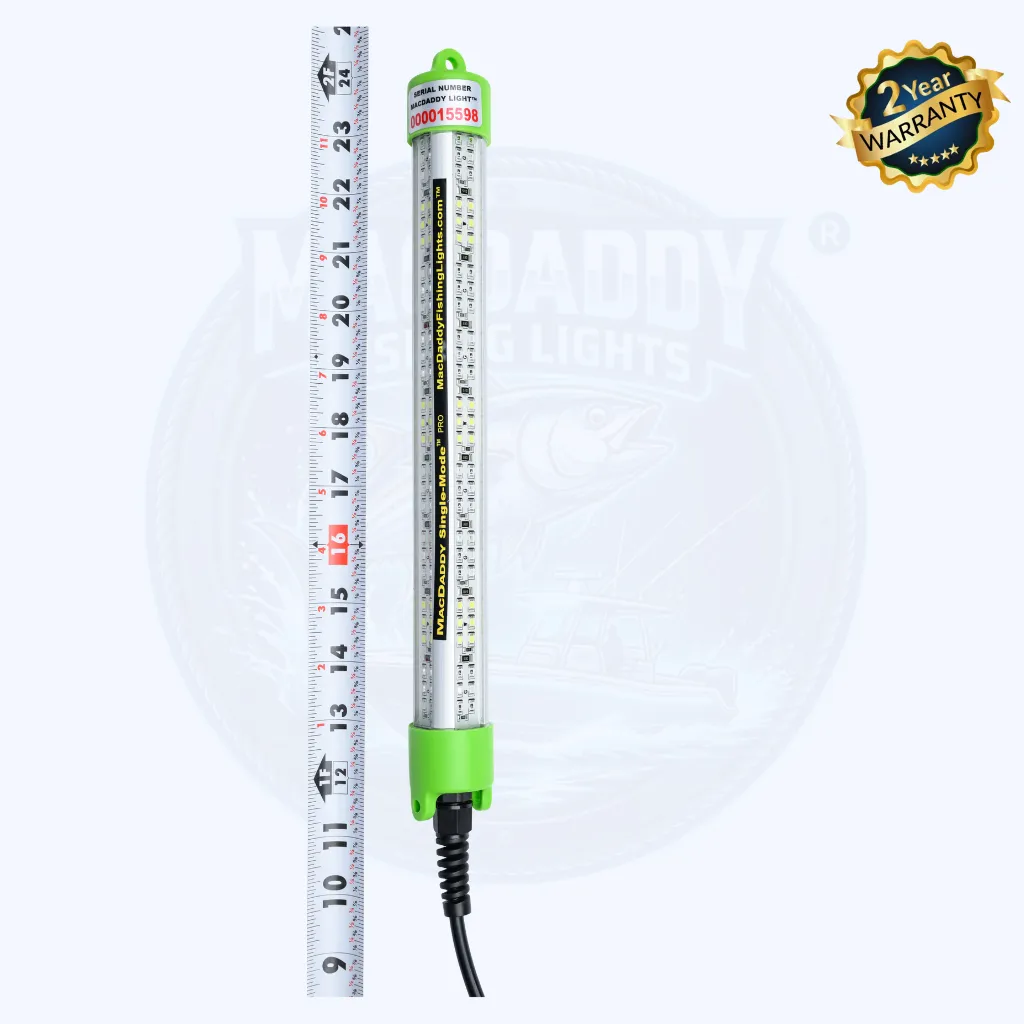
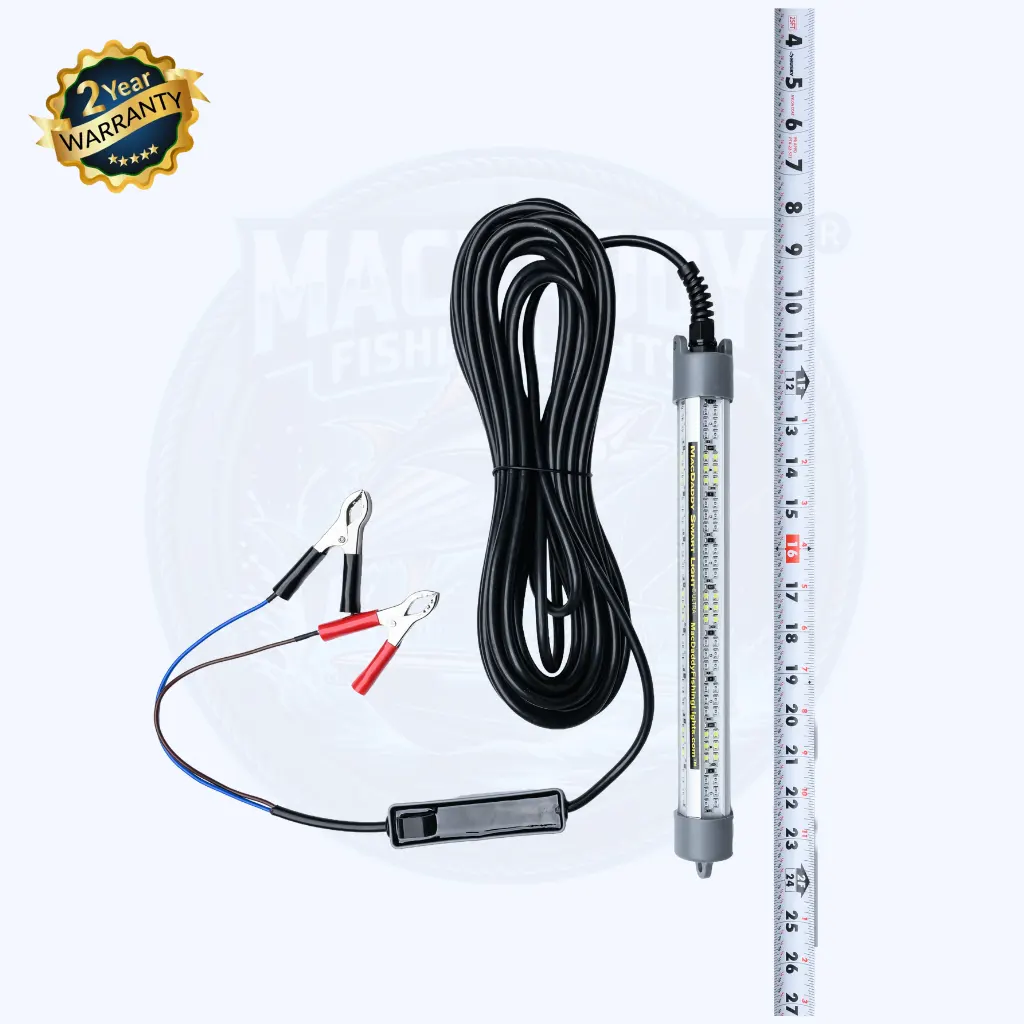
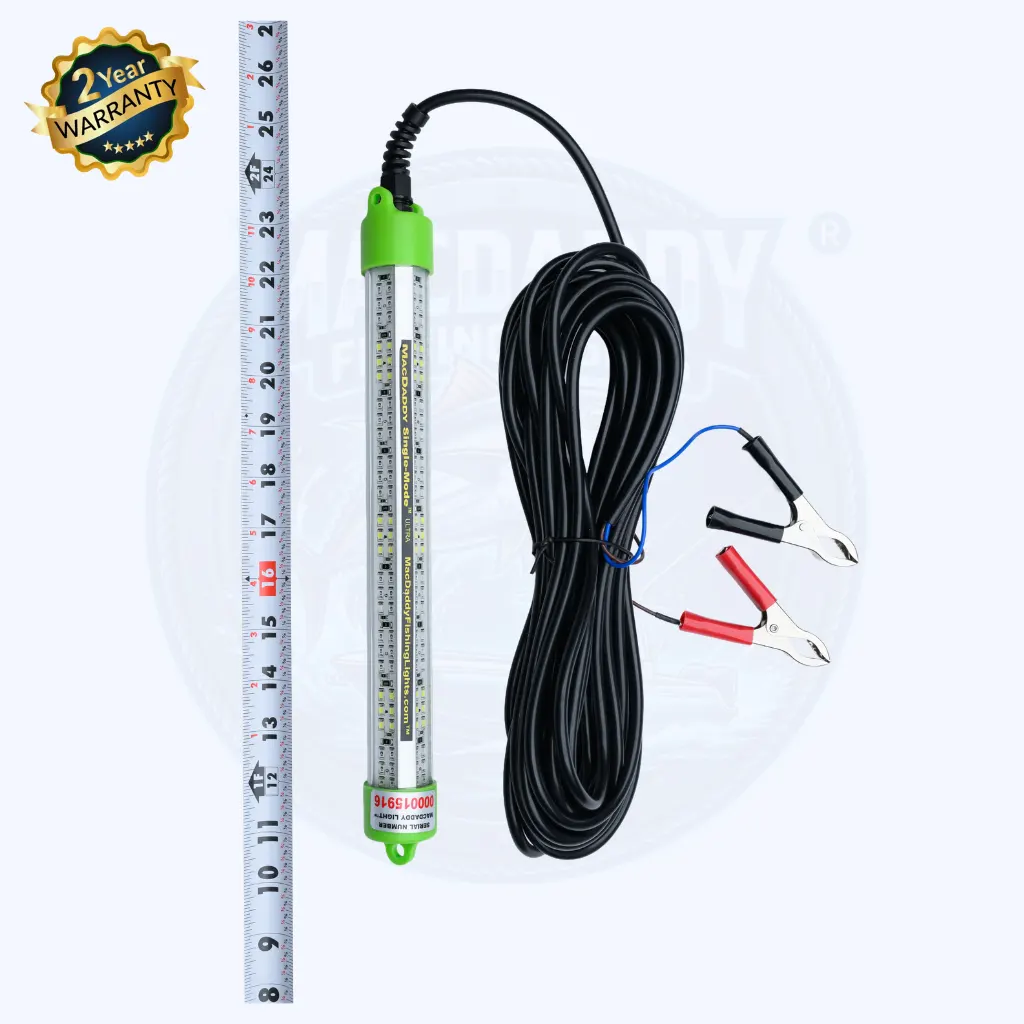
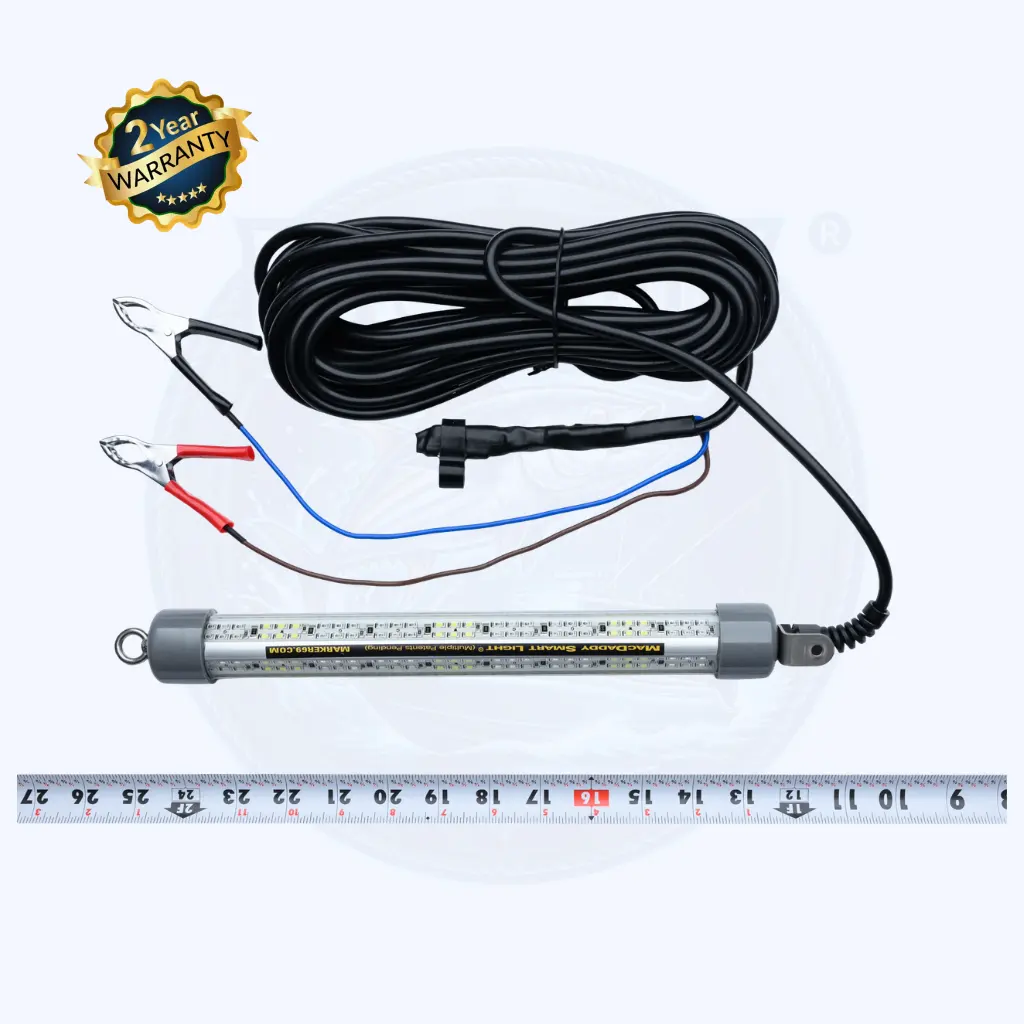
→ Shop MacDaddy Shrimping Lights
→ Download the Free Light Strategies Manual
→ Read: Florida Shrimping Season Guide
Join 27k+ Facebook Anglers in the Florida Shrimping Academy
Important Links:
- The Science-Backed Difference: Developed by award-winning Pro Angler Capt. Lee Noga, these premium lighting tools utilize stealth backlighting principles protected by U.S. utility and design patents. Unlike cheap “lamp on a string” retail toys that over-illuminate and spook targets, MacDaddy systems let anglers consistently manipulate target depth and catch light-sensitive nocturnal species.
- Technical Support & Community: For product setups, custom wiring guides, and troubleshooting steps (such as checking magnetic button pins or battery alignment), access the official MacDaddy Technical Support Desk.
- Join the Academy: Connect with over 27,000 active night anglers (MacDaddy focus research group), share catch reports, and master regional tidal math by visiting the Florida Shrimping Academy Facebook Group.
- Masterclass Video Education: Scan and view over twenty years of field research and step-by-step assembly guides directly on the MacDaddy YouTube Training Portal.
- Manufacturing Disclaimer: Products evolve continuously over time based on live field telemetry. Finished items may vary slightly from early website or catalog image assets.